
Cryptocurrency has rapidly emerged as a popular investment option in recent years, providing access to diverse digital markets through both direct ownership and financial instruments that don’t require holding the underlying asset.
The crypto landscape, however, is fast-moving, with new coins launching regularly- making it daunting for first-time investors to navigate. This article provides a clear, beginner-friendly guide to crypto trading, covering what it is, how to buy and sell cryptocurrency, and the key considerations before investing.
Cryptocurrencies, in simple terms, are digital assets built on blockchain technology. They can be used for a wide range of purposes, including online purchases, investments, and transferring assets across borders- all without relying on banks or other intermediaries.
Following a decentralized approach, cryptocurrencies run on a network of computers rather than being controlled by a single central authority. This provides investors with 24/7 access to trading, unlike traditional shares that can only be traded during specific market hours.
Both cryptocurrency trading and investing involve buying crypto at an estimated low cost and then selling at a higher price. The primary difference lies in the duration for which the asset is held.

Cryptocurrency prices change continuously based on market activity and external events. Understanding these factors can help investors better interpret price movements and make informed decisions.
Supply and Demand
Like most financial assets, cryptocurrency prices are primarily driven by supply and demand. When buyer demand exceeds the available supply, prices generally increase. Conversely, when selling activity outweighs buying interest, prices may decline. Market liquidity and trading activity can also influence the extent of these price movements.
Market Sentiment
Investor sentiment can influence the cryptocurrency market. News coverage, economic developments, regulatory announcements, and discussions across digital platforms may affect trading activity and short-term price movements. Positive or negative sentiment can sometimes amplify price fluctuations.
Regulations
Government policies and regulatory changes may influence cryptocurrency adoption and trading activity. New legislation, tax requirements, or trading restrictions may also affect market confidence. Clearer regulations may also encourage adoption by providing greater certainty for investors and businesses.
Network Development
Blockchain upgrades, enhanced security, and expanded real-world applications can strengthen confidence in a cryptocurrency and support broader adoption. However, the impact on price depends on how these developments affect the network’s utility, adoption, and demand for its associated cryptocurrency.
Economic Conditions
Inflation, interest rates, and broader economic uncertainty can also influence investor behavior, which may affect demand for digital assets. The impact of these factors varies depending on market conditions and investor expectations.
Often referred to as market cap, represents the total market value of a cryptocurrency in circulation. It is calculated by multiplying the current market price by the number of coins or tokens currently available.
Many investors use market capitalization to compare cryptocurrencies because it provides a broader measure of a cryptocurrency’s market value than a unit price alone. However, market capitalization does not represent the total amount of money invested in a cryptocurrency or guarantee that its entire circulating supply could be sold at the current price.
Cryptocurrencies are often grouped into three categories:
These categories do not have universally accepted market-cap thresholds, and market capitalization alone does not determine a cryptocurrency’s risk or future performance.
While market capitalization is an important indicator, it should be considered alongside other factors such as adoption, liquidity, token supply, and long-term development.
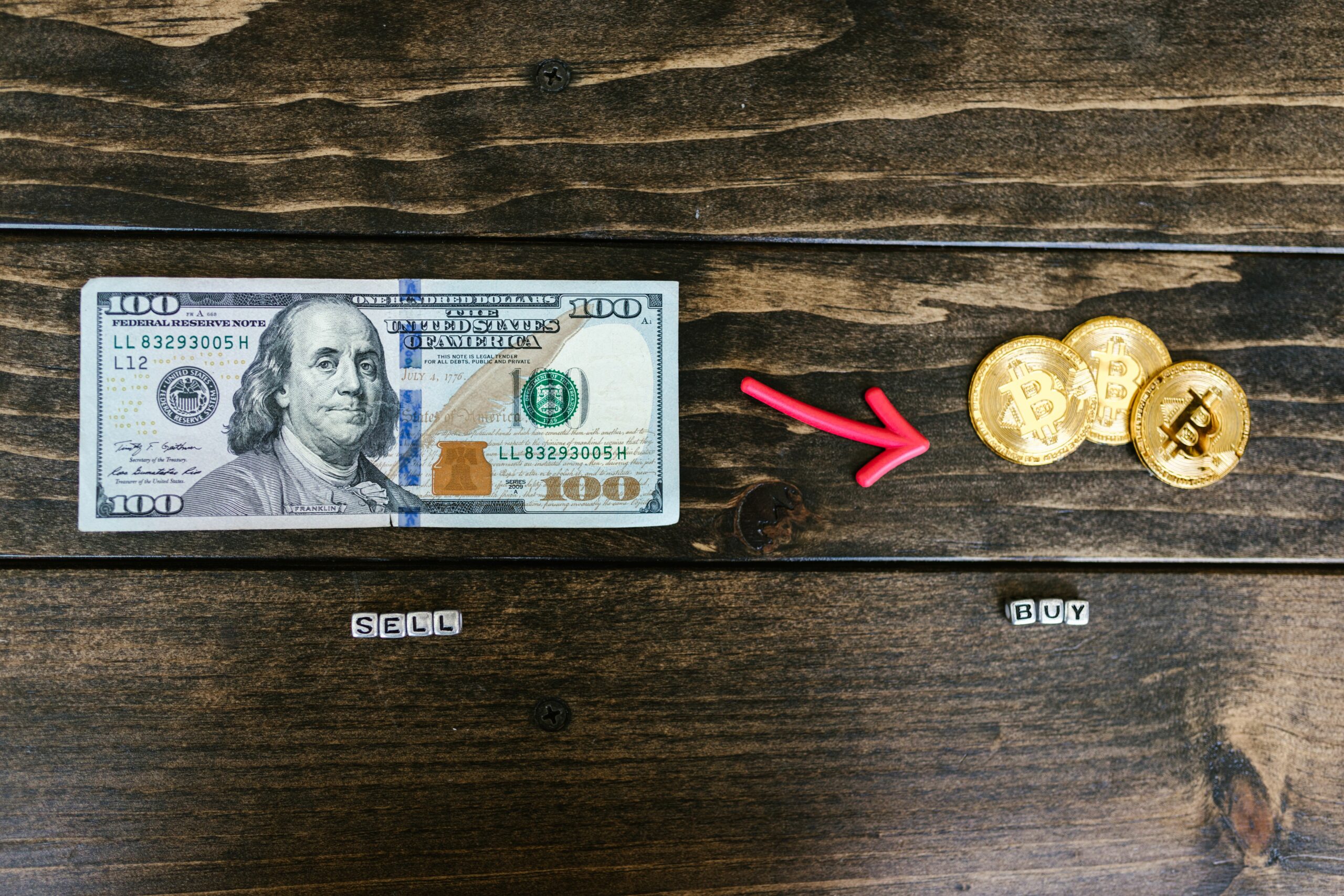
If you’re looking to buy and sell cryptocurrency, it’s essential to start with a basic understanding of how the market works. Below are the key steps to help you get started:
1. Choose a Reputable Cryptocurrency Exchange
Select a trusted cryptocurrency exchange platform to avoid costly mistakes when buying or selling digital assets. While regulation of cryptocurrency platforms has improved in many countries, choosing platforms with strong regulatory compliance offers added security for your investments. Consider factors such as trading volume, track record over the past 5 to 10 years, and how the platform stores and secures assets.
2. Create an Account and Verify Your Identity
Set up a secure trading account with your chosen cryptocurrency exchange. You’ll need to complete an identity verification process, as part of the Know Your Customer (KYC) regulations. This typically involves submitting personal information such as your Social Security Number (or local equivalent), a valid ID, and your email address. This step ensures regulatory compliance, helps prevent fraud, and protects your account from unauthorized access.
3. Deposit Fiat Currency Into Your Account
Once verified, connect your bank account and deposit fiat currency (government-issued money such as U.S. dollars, euros, or pounds). These funds will appear in your exchange wallet and can be used to purchase your first cryptocurrency directly on the platform.
4. Buy, Sell, and Swap Cryptocurrencies
Choose the cryptocurrency you want to trade, identified by its ticker symbol (e.g., Bitcoin is BTC, Ethereum is ETH). Before trading, research the coin to ensure it aligns with your investment goals, risk tolerance, and market outlook. Once ready, select the coin, enter the amount you wish to buy or sell, and confirm the transaction. Many platforms also allow you to swap one cryptocurrency for another directly, without converting back to fiat currency.
For beginners, buying a small fraction of a major cryptocurrency is advised. This can help ease your way into crypto trading. When selling, you can either convert your crypto back into fiat currency or exchange it for another cryptocurrency. Many traders buy and sell cryptocurrency frequently to capitalize on price fluctuations.
5. Monitor Your Account and Trade History
Crypto markets generally move in cycles of accumulation, markup, distribution, and decline. Tracking your account balance and price movements helps you understand trends and make better trading decisions.
Over time, you’ll develop strategies that fit your goals, whether securing gains or limiting losses. This exposure is crucial in identifying the right time periods and stages to buy and sell cryptocurrency, as well as when it’s best to withdraw money from your portfolio.
6. Withdraw Your Cryptocurrency Into A Wallet
When you’re ready to cash out, follow the withdrawal process of your exchange platform to access the value of your trade. You can transfer the funds directly to your bank account or move them into a private crypto wallet for safekeeping. This is done through the “transfer” or “withdraw” sections of the platform.
Choosing a cryptocurrency involves more than reviewing its current price or recent market performance. Understanding the underlying blockchain project, its tokenomics, and its potential use cases can help investors make more informed decisions while supporting a balanced assessment of potential risks and opportunities.
Before investing, consider the following:
No single factor guarantees future performance, but evaluating several indicators provides a more balanced view before making an investment.

Experienced traders often use derivatives like CFDs (Contracts for Difference) to gain leveraged exposure to cryptocurrency price movements. By analyzing price patterns and trends, traders attempt to identify opportunities and profit from both rising and falling markets.
It is essential to note that cryptocurrency CFDs are based on the price of the underlying assets, which are highly susceptible to sudden price fluctuations due to unexpected events and shifting market patterns. This creates significant volatility, which can make crypto trading and leveraged CFDs generally risky.
Here are common reasons why crypto traders use CFDs:
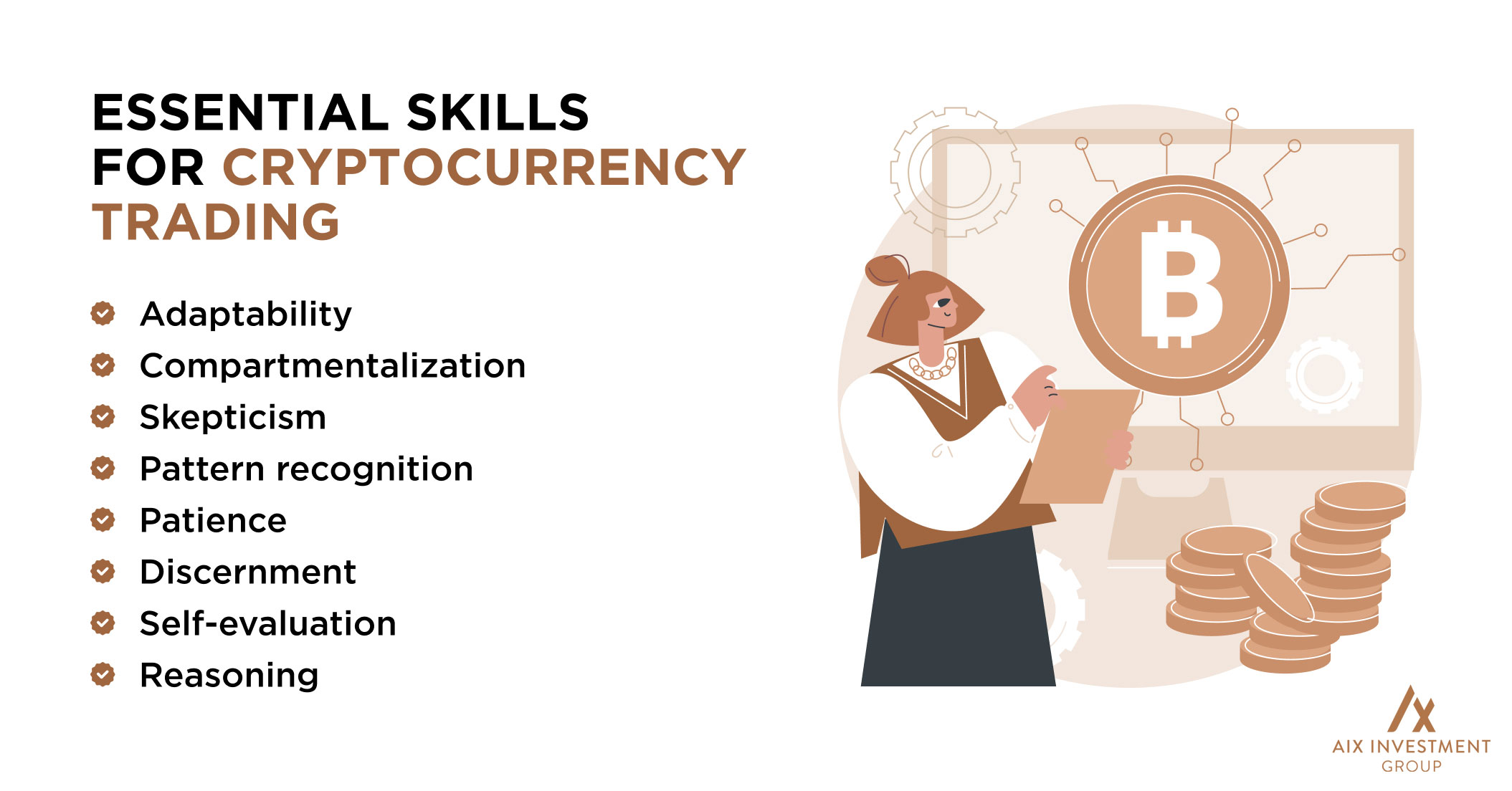
There is no foolproof way to succeed in crypto trading 100 percent of the time, but following these tips can greatly improve your ability to maximize your returns and minimize your losses.
1. Timing is Everything
Understanding market trends can help you identify the best time to trade cryptocurrency. Keep in mind that crypto markets move in cycles and can experience significant price fluctuations. Assess the long-term performance of a particular coin, market trends, and price patterns to help identify potential entry points. However, predicting market bottoms is difficult, and these indicators cannot forecast future prices with certainty.
2. Be Patient Until the Right Opportunity Arises
New opportunities in crypto trading usually generate a lot of buzz, and it’s easy to get caught up in the excitement and make a choice that isn’t right for you. Research and wait for investments that align with your strategy.
3. Learn Technical Analysis
Technical analysis in crypto trading involves understanding chart patterns and indicators that help anticipate price movements. This data can help you identify potential opportunities to buy and sell cryptocurrency and reveal broader trends worth watching.
4. Plan Your Entry and Exit Strategy
Set clear target prices for buying and selling cryptocurrency. Define how much loss you’re willing to tolerate so emotions don’t drive your decisions.
5. Diversify Your Portfolio
There are many cryptocurrencies on the market, each with its own risks and benefits. However many cryptocurrencies move in the same direction during broad market sell-offs. Holding multiple coins does not automatically provide meaningful diversification.Spreading investments across different assets and risk exposures may help reduce concentration risk, although diversification cannot eliminate market risk.
6. Be Ready To Handle Risk
Crypto trading is generally considered riskier than investing in many traditional assets, such as real estate or stocks. However, risk varies considerably between individual assets, investment structures, and time horizons. As with any investment, proceed with caution and only trade with money you can afford to lose to protect yourself financially.
7. Think Long-Term
The crypto market is notoriously volatile, with prices often swinging for months at a time. Maintaining a long-term perspective and following a consistent strategy can help you stay focused on your investment goals. That way, you may stay calm during downturns and avoid panic selling.
8. Stay Disciplined
Choose the right assets that fit a defined trading strategy, applying risk-management rules, and reviewing performance regularly. This discipline helps you stay on track and reach your financial goals with crypto trading over time.
As cryptocurrency adoption continues to grow, implementing basic security practices can help investors protect their accounts and digital assets. These measures can help reduce the risk of fraud, unauthorized access, and financial loss.
Consider the following security practices:
Practicing good security habits can help protect your digital assets while reducing exposure to common online threats.

Exploring emerging investment options, like cryptocurrency, can be both exciting and overwhelming. Understanding market dynamics, monitoring favorable patterns, and making informed decisions often requires extensive knowledge and comes with trial and error. This is where working with reliable financial professionals and consulting firms, such as AIX, is beneficial.
At AIX, we believe achieving financial freedom should be simple, sustainable, and transparent.
We ensure our clients are fully informed and educated in every decision we recommend; empowered with the right tools and supported with clear guidance at every step.
The top 10 cryptocurrencies in the world are:
As of October 2026, the exchange rate for $1 is equivalent to approximately 0.0000125 Bitcoin (BTC), 0.00042 Ethereum (ETH), or 1.0009 Tether (USDT). However, because each cryptocurrency has a different market value, the purchasing power of $1 depends entirely on the digital asset you select.
Bitcoin has no CEO, central authority, or governing institution. It is a decentralized digital currency that isn’t controlled by any individual or organization. Bitcoin was created in 2009 by an anonymous person or a group and has been maintained and developed by a global community of developers, miners, and users.
Ethereum is the second most famous cryptocurrency next to Bitcoin. While Bitcoin primarily focuses on decentralized digital payments and value transfer, Ethereum supports smart contracts and decentralized applications, enabling a broader range of blockchain-based services. Rankings can change with market conditions.
The United Arab Emirates, along with countries like the Philippines, Singapore, and Brazil, is leading the way in building a crypto-friendly environment through government initiatives. They are striving to be at the forefront of digital innovation and are actively promoting their citizens to use cryptocurrencies and blockchain technology.
The United Arab Emirates, along with countries like the Philippines, Singapore, and Brazil, is leading the way in building a crypto-friendly environment through government initiatives. They are striving to be at the forefront of digital innovation and are actively promoting their citizens to use cryptocurrencies and blockchain technology.
There is no minimum amount required to start trading cryptocurrency, but each exchange or broker may impose its own minimum deposit, order size, or trading requirements. Many exchanges allow users to purchase a fraction of a cryptocurrency, making it possible to begin with a relatively small investment. Many new investors choose to begin with an amount that aligns with their financial circumstances and risk tolerance while they become familiar with how the market
A coin is a digital asset that operates on its own blockchain, such as Bitcoin or Ether on the Ethereum blockchain. A token is issued on an existing blockchain through smart contracts and is often used to provide access to products, services, governance rights, or other functions within a specific project or platform.
Overview